Where to go in Shanghai for first-timers?
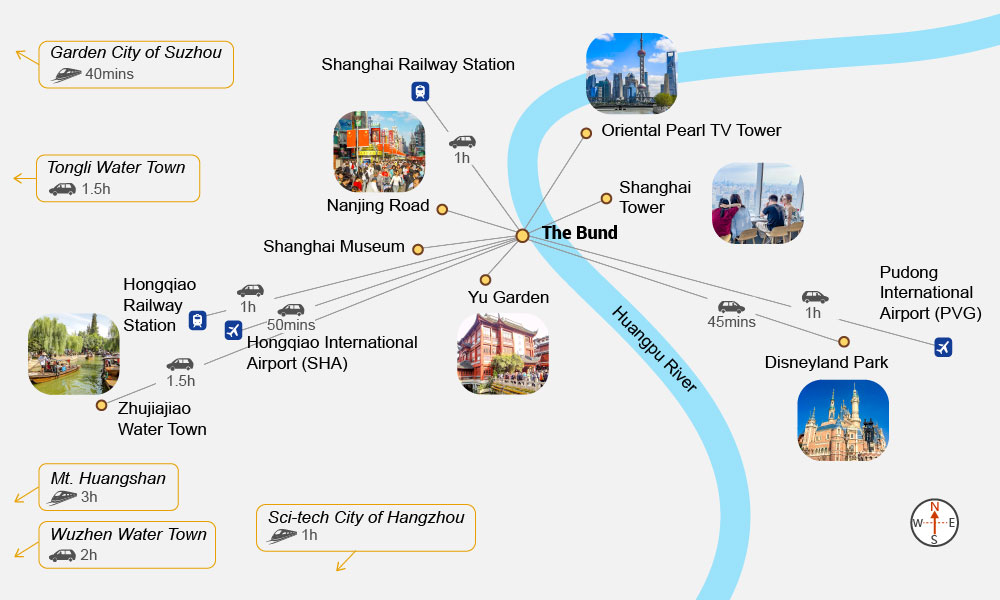
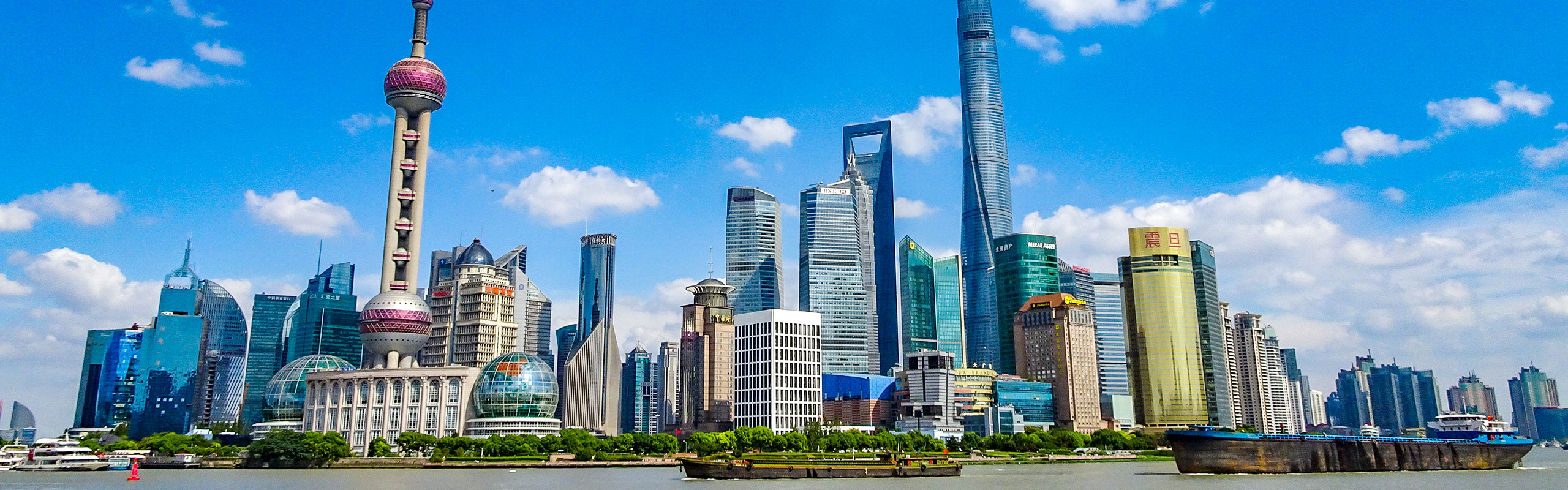
For first-timers, the Bund is an absolute must-see, where historic European architecture faces the futuristic skyline anchored by the Oriental Pearl Tower across the Huangpu River. Be sure to catch the dazzling night view when the iconic skyscrapers glow in kaleidoscopic lights, followed by a stroll through the bustling energy of nearby Nanjing Road.
For a deep dive into history and traditions, it is recommended to explore Shanghai Museum’s vast collections, the classic Yu Garden featuring elegant pavilions and zigzag bridges, the Yuyuan Bazaar and City God Temple area filled with the old town’s buzz, and the Jade Buddha Temple offering a spiritual escape. For a city walk, Xintiandi, Tianzifang, and the Former French Concession offer the best routes to discover artistic alleys brimming with fancy boutiques and cafes tucked inside traditional stone-gate houses. For a slow pace, escape to Zhujiajiao Water Town to immerse yourself in its quaint atmosphere, with a scenic boat ride past whitewashed residences, historic stone bridges, and authentic street food stalls.
How many days is enough for a Shanghai trip?
2 to 3 days are enough to cover the sprawling city’s main highlights. Spend one day downtown for the iconic Bund with a Huangpu River cruise. Visit the Yu Garden and Shanghai Museum for history exploration, and stroll around the flashy Xintiandi or artistic Tianzifang neighborhoods. The second day is to linger over the picture-perfect Zhujiajiao Water Town, where scenic canals, arch bridges, and hand-rowed boats reveal the ‘old China’ lifestyle. On the third day, take in panoramic views of the megacity from a skyscraper observatory, then indulge in local delicacies along Nanjing Road or Huanghe Road. Alternatively, enjoy a full day of magic at Asia’s largest Disney resort.
1 day: For Shanghai layover tours in one day, focus on the urban core: the Bund, Lujiazui high-rises, Shanghai Museum, and Yu Garden area, or spend half the day in Zhujiajiao Water Town and the other half exploring city landmarks according to your interests.
4-5 days or more: Apart from the quintessential experiences within the city, escape to the nearby classic water towns like Wuzhen, Tongli, and Zhouzhuang, take a day trip to the neighboring cities of Suzhou, Hangzhou, Wuxi, or Nanjing, or extend your private Shanghai tour to farther well-known destinations, such as Beijing, Xi’an, and Zhangjiajie.
Which month is the best to visit Shanghai?
Generally, the premium time for your Shanghai vacation packages is the spring from March to May and autumn from September to November, when the weather is pleasant with average temperatures between 15-25℃ (60-77 ℉), receiving less rainfall. Cherry blossoms, peach blossoms, and tulips reach full bloom, and paulownia trees begin to be luxuriant in warm spring; and in fall, the gingko trees along the Bund transform into golden colors in pleasantly cool days. Dress in layers, like hoodies with shirts or thin sweaters, especially in cool mornings and nights.
January is the coldest month, with temperatures dropping to around 5℃ (41℉), plus the high humidity, making you feel even colder than it actually is. June and July, when the humidity builds up, bring buckets of rain, and July is the hottest month of the year. Please avoid the busy holidays, such as the May Day break, the National Day holiday from Oct. 1st to 7th, and the Chinese New Year falling in January or February.
Is Shanghai expensive for tourists?
While Shanghai is generally more expensive than other mainland Chinese cities like Xi’an, Chengdu, or even the capital Beijing, it remains significantly more affordable than global hubs like Hong Kong, Tokyo, or major European cities. On average, a comfortable Shanghai trip ranges from USD 120 to 180 per person per day.
For instance, a quality 3 or 4-star hotel costs between USD 70-110 per night. While upscale restaurants can exceed USD 70 per person, a mid-range meal typically costs USD 17-30, and a quick meal, like a McDonald's Big Mac set, costs only USD 5-7. A Starbucks coffee is USD 4-6, while the local chains like Luckin Coffee cost just USD 2-3. Public transport is remarkably efficient and cheap. A bus or metro ride starts at just 40 US cents. Taxis are also accessible, with a starting fare of USD 2 for the first 3 km.
What is the easiest way to get around Shanghai?
The easiest way to navigate Shanghai is via its world-class metro network. Spanning over 560 miles, it offers a fast and economical way to reach almost any corner of the city. A one-way fare ranges from USD 0.4 to 2 depending on the distance. For a thrill, try the superfast maglev train from Pudong Airport towards downtown, USD 7 one-way, which is not only an efficient transfer but also a unique experience. To cross the Huangpu River, consider the local public ferry instead of traditional bus or metro. For only 30 US cents, you can enjoy a brief but scenic transit that offers a great perspective of the skyline from the water.
Of course, for tourists who are unsure about the local transport, taxi is a hassle-free and quite affordable choice. The taxi service here is highly efficient and significantly cheaper than in Europe or North America. The starting fare is USD 2 for the first 3 km, followed by a rate of USD 0.4 per kilometer. The ride-hailing app Didi boasts greater convenience and costs even less.
Is Shanghai a walkable city?
Yes, it certainly is! The city is suitable for walking to slow down and stop to appreciate its historical charm, and immerse yourself in retro-themed boutiques and cafes lining the narrow streets. The Bund is the premier choice, flanked by 52 imposing Western-style buildings on the west and the Huangpu River with towering skyscrapers on the east. The longer Huangpu Riverside Greenway, which includes the Bund, offers more river views. The Former French Concession, with Wukang Road at its heart, is a famous, leafy colonial-era community with a unique vibe. From there, it is easy to extend your walk to the Xintiandi and Tianzifang pedestrian areas, where vine-covered shops, artistic enclaves, fashionable boutiques, and upscale restaurants are hidden.
Which is the best observation deck in Shanghai?
The “Top of Shanghai Observatory” on the Shanghai Tower is the city’s highest and most recommended vantage point, reaching an impressive 546 meters (1,791 ft). While it is the most expensive option at USD 30, travelers on a budget can visit the Duoyun Bookstore on its 52nd floor, where you can enjoy a view from 239 meters (784 ft) for the price of a drink costing roughly USD 6. Other popular choices include the Oriental Pearl Tower’s skywalk at 263 meters (1,152 ft) and the Jinmao Tower’s observation deck at 340 meters (1,117 ft).
Which water town to visit from Shanghai?
As the closest option to the city and easily accessible by metro, Zhujiajiao Water Town is the top choice for most travelers. Its crisscrossed canals, ancient stone bridges, and well-preserved whitewashed residences lining the narrow lanes offer a serene contrast to Shanghai’s modern urban core. For a more local feel, Tongli offers a livelier experience where you can still see residents washing clothes and preparing vegetables by the canal. Meanwhile, Wuzhen is renowned for its stunning night scenes and vibrant cultural events like the Theater Festival and World Internet Conference. Other idyllic water towns, like one of the wealthiest water towns, Nanxun, the corridor-covered Xitang, and China’s No. 1 water town, Zhouzhuang, are also well worth a visit.
Is it better to visit Shanghai or Beijing?
Shanghai is more recommended for first-time visitors to China. As China's most developed and cosmopolitan city, its open culture and blend of Western influences make it exceptionally welcoming for international travelers. You can marvel at the city’s gargantuan scale, mega skyscrapers, European-style colonial architecture, and various international dining options. Feel the city’s charm hidden in streets and atmospheric blocks like the Bund, Nanjing Road, and Xintiandi. In contrast, the capital city of Beijing boasts deep cultural heritage. Home to iconic historical landmarks like the Great Wall, the Forbidden City, and the Temple of Heaven, Beijing represents the most traditional side of the country and offers a more local atmosphere. Additionally, Beijing is more budget-friendly, with a travel cost about 10% lower than in Shanghai. If you have 5 to 7 days, consider visiting both: Shanghai for a glimpse of China’s future and Beijing to experience its prosperous past.
Is Shanghai or Hong Kong better for tourists?
Although Shanghai surpasses Hong Kong in terms of GDP, land area, and population, its international influence is still lower than that of Hong Kong. For visitors, it depends on what you expect from your China trip. If you want to learn more about mainland China, Shanghai should be your first choice. It offers a captivating blend of futuristic modernity and deep-rooted tradition, where soaring skyscrapers stand alongside historic lanes and classical gardens. Hong Kong, by contrast, serves as the ultimate international gateway to Asia. With its unique colonial heritage and more open atmosphere, it provides a sense of familiarity for Western visitors through its cosmopolitan culture and diverse culinary scene.
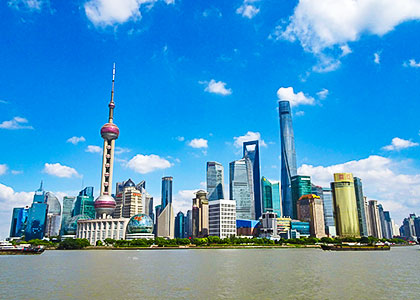 2 Days Best Shanghai Tour from USD309
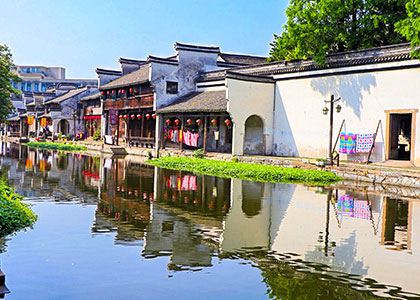 3 Days Shanghai & Water Town Tour from USD419
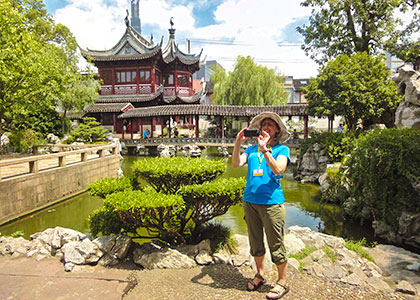 Day Tours from Shanghai, 15 Itineraries from USD29
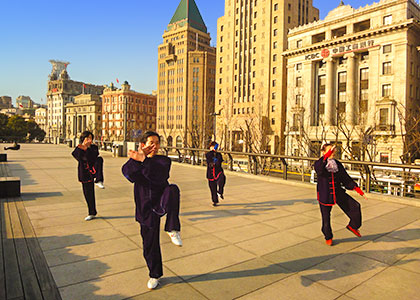 One Day Shanghai Highlights from USD109
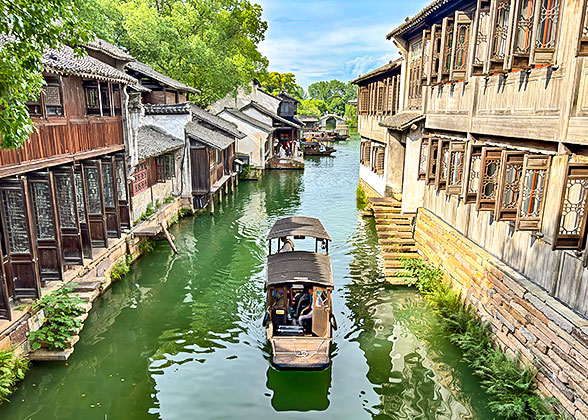 5 Days Shanghai - Suzhou - Hangzhou from USD779
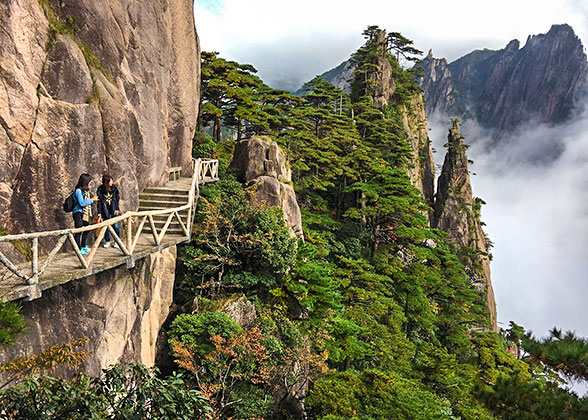 2 Days Side Trips from Shanghai, 3 Itineraries from USD309
 5 Days Private Shanghai and Zhangjiajie Tour from USD949
 4 Days Beijing Tour from Shanghai from USD659